Why Does Ramen Use One Noodle and Pad Thai Another?
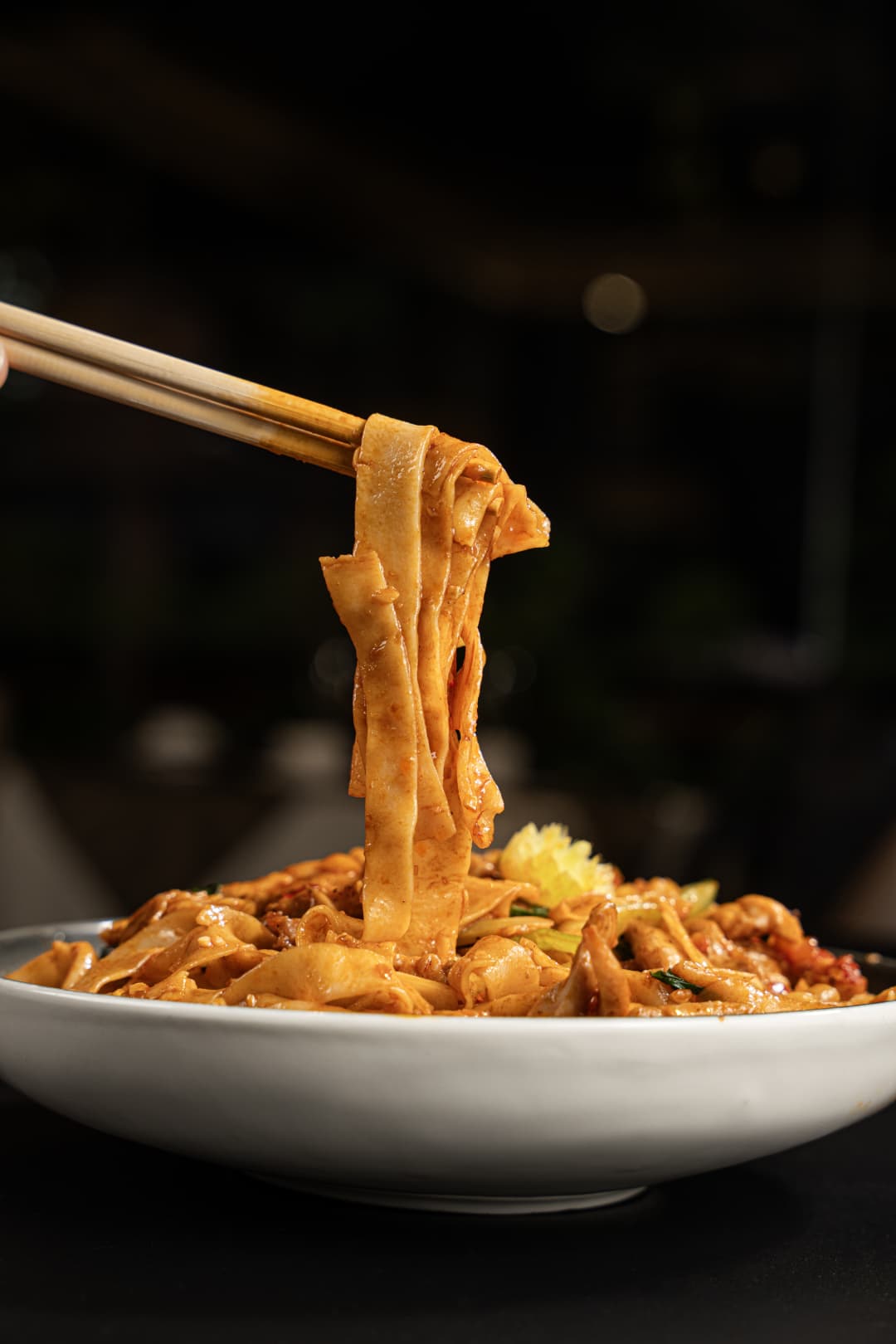
Have you ever noticed that the noodles in your ramen look nothing like the ones in your Pad Thai? Or that the thick, chewy noodles in a Japanese udon bowl are completely different from the slippery glass noodles in a Korean stir-fry? There is a reason for all of it, and no, chefs aren't just picking noodles based on how pretty they look in a bowl! The world of Asian noodles is wonderfully varied. Some are made from wheat, others from rice or starch, and each brings its own texture, flavour and personality to a dish. The type of noodle chosen can change how a sauce clings, how a broth feels and even how satisfying that first bite is. So, if you've ever wondered why different Asian dishes use different noodles, let's unravel this delicious little mystery.
1. Ramen: Why These Noodles Love a Good Broth
Let's start with everyone's favourite comfort bowl. Ramen noodles are traditionally made using wheat flour, water, salt and an alkaline ingredient called kansui. This gives them their characteristic springy texture, slightly yellow appearance and firm bite. But why does that matter? Imagine sitting down to a steaming bowl of ramen. The noodles need to hold their shape while surrounded by hot broth, without turning into a soggy, shapeless mess. Their elasticity and structure help them do exactly that. Ramen noodles also come in different thicknesses and shapes. Thin, straight noodles and thicker, wavy varieties can each work differently with the broth and toppings they accompany. Essentially, ramen noodles aren't just there to fill the bowl. They're there to make every spoonful and slurp work!
2. Pad Thai: Why Flat Rice Noodles Make the Cut
Now let's travel to Thailand. Pad Thai uses flat rice noodles, and they are a big reason the dish has its familiar texture. Made primarily from rice flour and water, these noodles are soft, slightly chewy and relatively neutral in flavour. Their broad, flat shape gives sauces plenty of surface area to coat, while their texture works beautifully with the sweet, sour and savoury flavours of Pad Thai. They also hold up well when tossed in a hot wok with ingredients such as tofu, eggs, vegetables, peanuts and bean sprouts. Could you make Pad Thai with ramen noodles? Technically, you could experiment, but you'd lose much of what makes the dish recognisable. The texture and overall eating experience would be quite different. That's the thing about choosing noodles. Sometimes the right shape makes all the difference!
3. Udon: For When You Want Your Noodles Thick and Chewy
If ramen noodles are springy, udon noodles take chewiness to another level. These thick Japanese wheat noodles are known for their soft, smooth texture and substantial bite. They are particularly popular in comforting noodle soups, where their thickness makes them satisfying without overpowering the broth. Udon also works wonderfully in yaki udon, a Japanese stir-fried noodle dish. Because the noodles are thick and sturdy, they can handle being tossed with vegetables, sauces and other ingredients. Think of udon as the noodle equivalent of a really comforting meal. It doesn't need to be complicated to make an impression!
4. Soba: The Nutty Noodle That Does Things Differently
Not all Japanese noodles are made from wheat. Meet soba, a noodle traditionally made using buckwheat flour, sometimes mixed with wheat flour. Soba has a distinctive earthy, slightly nutty flavour that makes it quite different from ramen and udon. It is often served chilled with a dipping sauce, although warm soba noodle soups are popular too. So why choose soba? Its flavour is part of the experience. It works particularly well in simpler preparations where the noodle itself gets to shine instead of disappearing behind a rich sauce. It is a lovely reminder that noodles aren't always just about texture. Sometimes, their actual flavour is the reason they're chosen.
5. Glass Noodles: The Sauce-Loving Noodles
Ever seen noodles that look almost transparent? Those are glass noodles! Made from starches such as mung bean or sweet potato, glass noodles become translucent after cooking. They have a slippery, slightly bouncy texture and are particularly good at absorbing the flavours of the ingredients around them. One popular example is Korean japchae, which uses sweet potato starch noodles tossed with vegetables and a savoury-sweet seasoning. Their springy texture makes them a great choice for stir-fries and salads. They also bring something different to the table because they don't have the same wheat-based chewiness or rice noodle softness. In short, if a dish has a delicious sauce, glass noodles are quite happy to get involved!
6. Chinese Wheat Noodles: Built for the Wok
Chinese cuisine has an incredible variety of wheat noodles, from thin egg noodles to thicker, hand-pulled varieties. Their textures and shapes differ, which is exactly why they find their way into so many different dishes. Thin egg noodles are popular in stir-fries such as chow mein. Their relatively firm texture allows them to be tossed with vegetables, sauces and other ingredients without losing their bite. Thicker wheat noodles, meanwhile, work well in heartier preparations where a more substantial texture is welcome. The wok also plays an important role here. Quick cooking over high heat means the noodles need to be able to move around with the ingredients while retaining their texture.
7. So, How Do You Know Which Noodle Belongs Where?
Here's the fun part. Choosing the right noodle comes down to a few simple things. Texture: Does the dish need something springy, chewy, soft or slippery? Shape: Thin noodles work differently from wide, flat ones. Wider noodles offer more surface area for sauces, while thinner varieties can be better suited to lighter preparations. Sauce: Some noodles are particularly good at holding thick sauces, while others work beautifully in delicate broths or lighter dressings. Cooking method: A noodle used in a hot wok needs to withstand tossing and heat. One served in soup needs to maintain its texture while sitting in liquid. Once you start noticing these differences, you'll never look at a bowl of noodles quite the same way again!
8. Your Next Pan-Asian Food Adventure at Xin, Bangalore
At Xin by MindEscapes, exploring Pan-Asian food is about enjoying different flavours, discovering new combinations and making every meal an experience worth remembering. With locations in Koramangala and HSR, Xin brings together Pan-Asian food, good conversations and a little curiosity at every table. You can explore the menu, discover new favourites and enjoy the kind of meal that gives you something to talk about long after the last bite. And because there's always room for a little more curiosity, every table also comes with Genius Cards that get conversations and ideas flowing. You can even explore Mira, Xin's free AI thinking partner, while you're there. After all, who said a restaurant visit had to be only about eating?
Next Time, Don't Just Order Noodles. Know Your Noodles!
Now that you know why ramen, Pad Thai, udon and glass noodles are so different, you have one more reason to be curious about what's in your bowl. The next time you're at an Asian restaurant, look beyond the sauce and toppings. Notice the shape, texture and bite of the noodles. You might discover that the little details are what make your favourite dish so delicious. And if all this noodle talk has made you hungry, well, we think you know what to do next. See you at Xin. Feed Your Genius!