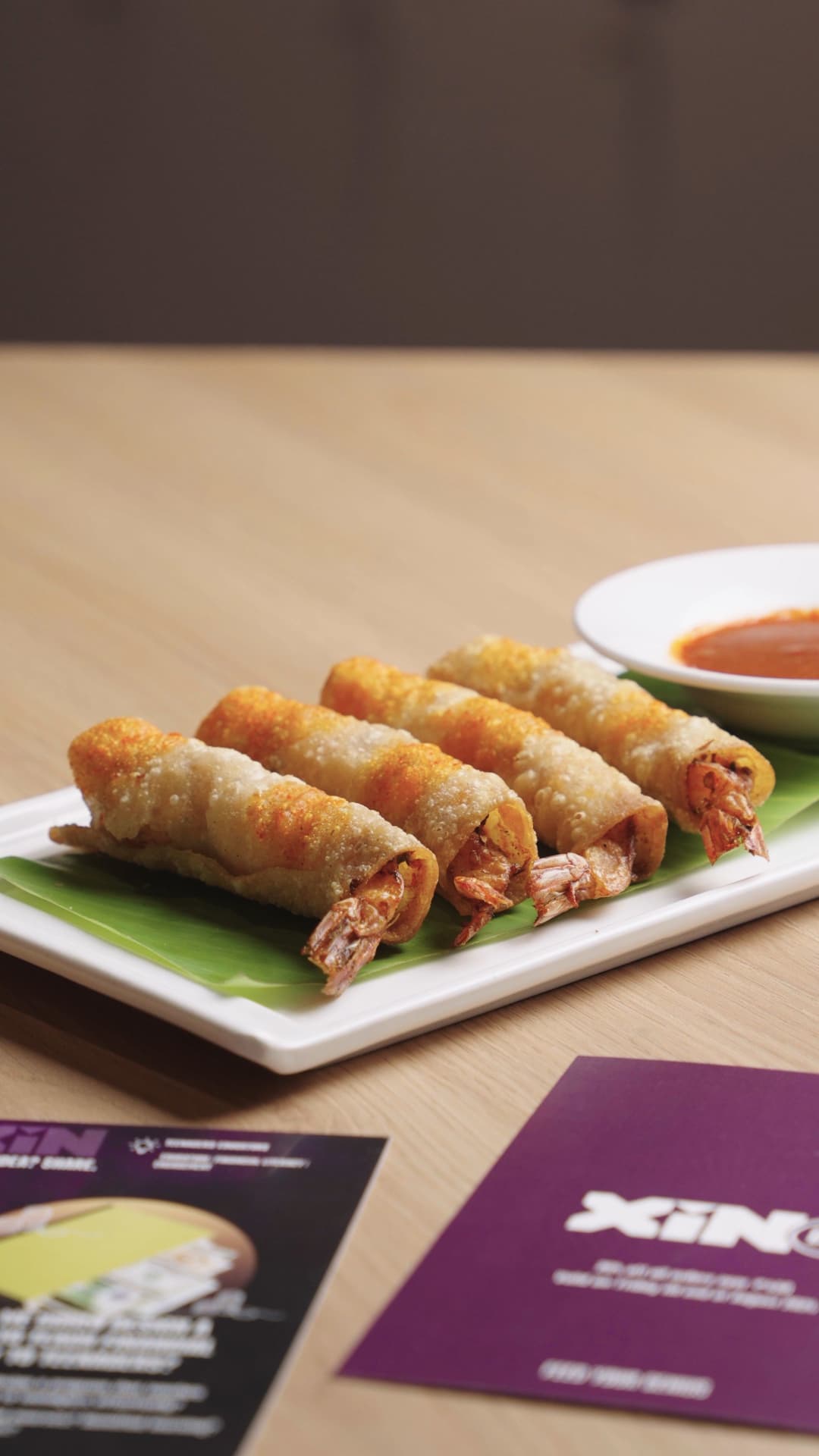
Why Tempura Batter Turns Crispy: The Japanese Frying Secret Behind That Perfect Crunch
Why Great Tempura Is So Light, Crispy and Delicious
You know that first bite of something fried just right, when the coating makes a delicate crackle before giving way to something tender and delicious inside? That is the magic of great tempura. The coating is light, the crunch is almost impossibly delicate, and the food inside gets to be the star of the show. But getting that perfect crunch is not simply about dropping something into hot oil. Japanese tempura relies on a handful of clever techniques that transform a few everyday ingredients into a beautifully crisp coating. If you love Japanese food or are always looking for exciting Pan-Asian restaurants in Bangalore, understanding the science behind tempura makes that next crunchy bite even more satisfying.
The Secret Starts With the Tempura Batter
Traditional tempura batter is wonderfully simple. It usually contains flour, egg and cold water, yet the way these ingredients come together makes all the difference. When water mixes with wheat flour, two proteins called glutenin and gliadin begin forming gluten. This network gives bread its familiar chewiness, but too much gluten can make fried batter dense and tough. Tempura needs the opposite: a coating that breaks cleanly with every bite. That is why experienced cooks use low-protein flour, mix the batter gently and avoid unnecessary stirring. A few lumps are perfectly fine because the goal is not to create a smooth, stretchy mixture. The less gluten develops, the lighter the coating tends to be. Some recipes also replace a portion of the wheat flour with cornflour, potato starch or rice flour to help create a crispier finish. It is a lovely reminder that great cooking often comes down to knowing what not to do.
Why Japanese Tempura Uses Ice-Cold Water
Cold water is one of the most important ingredients in a good tempura batter, even though it does not look particularly exciting sitting in a mixing bowl. The reason is simple. Cold temperatures slow gluten development, helping the batter stay loose rather than turning elastic and chewy. Some cooks even place their mixing bowl over ice to keep everything cold until the moment the food goes into the oil. You may also come across recipes that use sparkling water. Its bubbles can contribute to a lighter texture, although temperature, mixing technique and frying conditions remain important. There is one more trick worth knowing: tempura batter is best prepared shortly before frying. Letting it sit for too long gives the flour more time to hydrate, and the mixture can lose some of the qualities that make it so delicate.
How Hot Oil Creates That Signature Crunch
The real transformation begins when the battered ingredient meets hot oil. As the food cooks, water in the batter turns into steam and escapes. This process helps create the tiny pores that give the coating its light, crisp structure. At the same time, the batter sets around the ingredient, forming a delicate shell. Temperature matters enormously. Oil that is too cool can leave the coating greasy because the batter takes longer to set. Oil that is too hot may brown the outside before the inside cooks properly. Depending on the ingredients and technique, tempura is commonly fried at around 160°C to 180°C. Cooks also avoid overcrowding the pan because adding too much food at once can lower the oil temperature. And once the tempura is ready, serving it promptly is essential. As steam and moisture move from the food towards the coating, even an excellent crust can gradually soften. The takeaway is deliciously straightforward: the right batter, the right temperature and the right timing work together to create that unmistakable crunch.
Tempura vs Katsu: What Is the Difference?
If you enjoy Japanese food, you have probably spotted both tempura and katsu on restaurant menus. Although both involve frying, they deliver very different textures. Tempura uses a thin batter designed to create a delicate, light coating. Katsu, on the other hand, is typically made by coating meat or another ingredient in flour, egg and panko breadcrumbs before frying. The result is a more substantial crust with a satisfying, flaky crunch. Panko breadcrumbs are particularly good at creating an airy texture because their larger flakes form an uneven, crisp coating. That is why katsu works so beautifully with Japanese curry, steamed rice and other comforting accompaniments. Think of tempura as the delicate crunch and katsu as the hearty crunch. Both have earned their place in Japanese cuisine, and both offer plenty to look forward to when exploring Pan-Asian food.
Where to Enjoy Japanese-Inspired Crunch at Xin in Bangalore
At Xin by MindEscapes, food is an invitation to explore, discover new favourites and enjoy familiar flavours in exciting combinations. If you are searching for Japanese food in Bangalore or looking for a Pan-Asian restaurant that brings different Asian influences to the table, there is plenty to explore across Xin's menu. Our Katsu Curry Master Bowl brings together a crisp, panko-coated cutlet, comforting curry and rice in one complete meal. It is a great choice when you want the satisfying crunch associated with Japanese katsu alongside the warmth of a flavourful curry. For starters, lotus stem fritters, salt and pepper preparations and crispy corn offer more reasons to appreciate the pleasures of a well-made crunchy bite. Each has its own texture and flavour, making them excellent choices to enjoy before your main course or alongside a meal with friends. You can explore Xin at Koramangala and Xin Den in HSR Layout, Bangalore, where Pan-Asian flavours make room for discovery. Whether you are planning a Japanese-inspired meal, catching up over starters or deciding which Master Bowl to try next, there is always something new to find. The best part about food is that curiosity rarely stops at the first bite. Learning why tempura is crispy might lead you to katsu, which might lead you to a new favourite bowl. And that is a pretty delicious way to explore Asian cuisine.
Frequently Asked Questions About Tempura Batter
Why is tempura batter made with cold water?
Cold water slows gluten development, helping the batter stay loose and produce a lighter, more delicate coating when fried.
Why should tempura batter not be overmixed?
Overmixing encourages gluten to develop, which can make the coating tougher and chewier instead of light and crisp.
Is tempura the same as crispy fried food?
Not quite. Tempura is known for its thin, delicate batter, while other fried foods may use thicker coatings, breadcrumbs or starch-based mixtures to achieve different textures.
Where can I find Japanese food in Bangalore?
Xin by MindEscapes offers Pan-Asian dining in Koramangala and HSR Layout, with Japanese-inspired dishes such as Katsu Curry alongside a wider selection of Asian flavours.