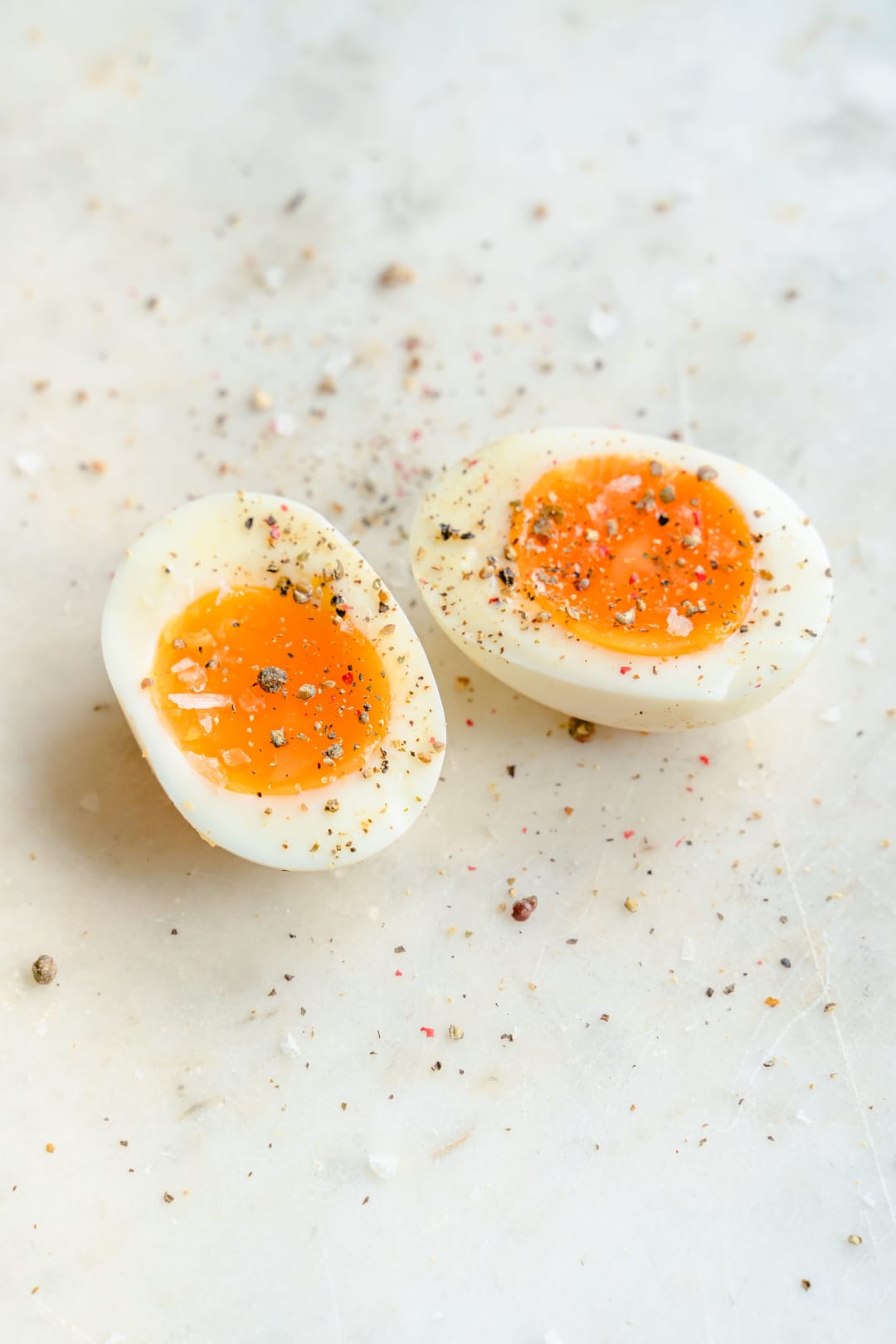
Why a Jammy Ramen Egg Is the Hardest Part of a Perfect Bowl of Ramen
That Little Egg Makes a Big Difference
There is something wonderfully satisfying about a bowl of ramen. The steaming broth, the noodles that catch every bit of flavour, and the toppings that make each mouthful interesting all have their moment. Then comes the ramen egg. Cut it open, and there it is: a tender white wrapped around a golden, almost custard-like yolk. Suddenly, the bowl looks even more inviting. But why is getting that egg right so difficult? Cook it for too little time, and the centre may be runny. Leave it in the water for too long, and the yolk turns dry and crumbly. Somehow, the goal is to land in that delicious middle ground. If you have been exploring Japanese food in Bangalore or searching for a bowl of ramen worth getting excited about, this little detail is worth knowing. At Xin, where Pan-Asian food meets curiosity, even an egg can make you look at your favourite bowl differently.
Meet Ajitama, Japan's Flavour-Packed Ramen Egg
The classic Japanese ramen egg is called ajitsuke tamago, often shortened to ajitama. The name translates to a seasoned or flavoured egg, and it is much more than an ordinary boiled egg dropped into a bowl. The process begins with a soft-boiled egg. Once it has been cooled and peeled, it is soaked in a seasoned marinade, commonly made with soy sauce and other ingredients that bring sweetness and savoury depth. The egg gradually absorbs flavour, developing a lightly coloured exterior and a more interesting taste than you would get from boiling it alone. The magic lies in the contrast. The white should be tender but completely set, while the yolk should be thick enough to cling to your spoon without becoming hard. Add that to a bowl of ramen, and the yolk can mingle with the broth, making every spoonful a little richer.
The Six-Minute Mistake That Can Change Everything
Here is where the kitchen science gets interesting. Egg whites and yolks do not cook in exactly the same way. The proteins in the white begin setting before the yolk reaches its final texture, which creates a small window for that much-loved jammy centre. For a large egg straight from the refrigerator, many recipes use roughly six to seven minutes in boiling water as a starting point. However, that is not a universal rule. Egg size, starting temperature and cooking conditions all affect the result. The trick is to stop the cooking process at just the right moment. As soon as the eggs leave the hot water, they continue cooking internally because the heat has not disappeared. Leave them alone for another minute or two, and a beautifully thick yolk can become much firmer than intended. That is why an ice bath matters. Plunging the eggs into iced water rapidly cools them, helping preserve the texture you worked so hard to achieve. It also makes peeling easier, which is especially useful when the whites are still delicate.
Why the Marinade Needs Patience Too
Getting the cooking time right is only half the adventure. A ramen egg also needs time to develop its flavour. A quick dip in a strong marinade may colour the surface without allowing much seasoning to move further inside. A longer soak gives the flavours more time to travel through the egg, creating a more balanced result. However, longer is not always better. Leave an egg in a very salty marinade for too long, and its texture can become dense and firm. The sweet spot depends on the strength of the marinade and the result you want. Think of it as a tiny exercise in patience. The egg needs enough time to absorb flavour without losing the soft, delicate texture that makes it special.
Why Cooking Eggs in the Nilgiris Is a Different Story
There is another twist for anyone cooking in the hills. Water boils at lower temperatures at higher altitudes because atmospheric pressure decreases as elevation increases. At around 2,000 metres, water boils at approximately 93°C rather than 100°C at sea level. Since the water is cooler when it boils, an egg may need a different cooking time to reach the same texture. This matters in hill stations such as Ooty and Coonoor, where elevation can affect familiar kitchen techniques. A timing guide that works perfectly in Bangalore may not produce precisely the same result in the Nilgiris. It is a good reminder that cooking is not just about following a timer. Temperature, ingredients and surroundings all play their part.
Where to Explore Ramen in Bangalore
Of course, learning about a ramen egg is even more enjoyable when you have a bowl in front of you. If you are looking for ramen in Bangalore, Xin Den HSR is worth adding to your Pan-Asian food list. Xin's Miso Ramen brings Japanese flavours to the table as part of the Zen at Xin menu, alongside sushi and other dishes to explore. It is a good place to begin if you enjoy discovering how different ingredients and cooking traditions come together in a bowl. For those exploring beyond Bangalore, Xin Den Coonoor and Xin Den Ooty also offer Miso Ramen, giving diners in the Nilgiris another way to enjoy Japanese-inspired flavours. And there is more to the Xin experience than deciding what to eat. Every table has Genius Cards that invite you to ask questions, share ideas and spark conversations. You could arrive wondering how a ramen egg gets its glossy centre and leave discussing everything from food science to your next big idea. After all, curiosity belongs at the table just as much as good food does.
Your Next Ramen Bowl Comes with a Question
A perfect ramen egg might look simple, but it brings together careful timing, gentle cooling and a little patience with the marinade. Get those details right, and a humble egg becomes one of the most memorable parts of the bowl. So, the next time you are searching for Japanese food or ramen in Bangalore, look beyond the noodles. Notice the toppings, savour the broth and appreciate the small details that make a dish special. Visit Xin Den HSR, order a bowl of Miso Ramen and bring your curiosity along. There is always something new to discover when good food gives you a reason to think.
Frequently Answered Questions
What is a ramen egg called in Japanese?
A Japanese seasoned ramen egg is called ajitsuke tamago, commonly shortened to ajitama. It is usually soft-boiled, peeled and marinated in a seasoned liquid.
How do you get a jammy ramen egg?
Start with a carefully timed soft boil, then transfer the egg immediately to an ice bath to stop carryover cooking. For a large, refrigerator-cold egg, six to seven minutes is a common starting point, although the ideal timing varies.
Why are ramen eggs marinated?
Marinating adds savoury flavour and allows seasoning to move beyond the surface of the egg. The duration and strength of the marinade influence both taste and texture.
Where can I find ramen in Bangalore?
You can explore Miso Ramen at Xin Den HSR. Xin also serves Miso Ramen at Xin Coonoor for diners visiting the Nilgiris.
What other Japanese food can I try at Xin?
Xin's menu features Miso Ramen alongside sushi, nigiris, maki offering more ways to explore Japanese-inspired flavours at a Pan-Asian restaurant