Vietnamese Iced Coffee vs Iced Latte: What Makes It So Different?
Why Vietnamese Iced Coffee Tastes Different From Your Regular Iced Latte
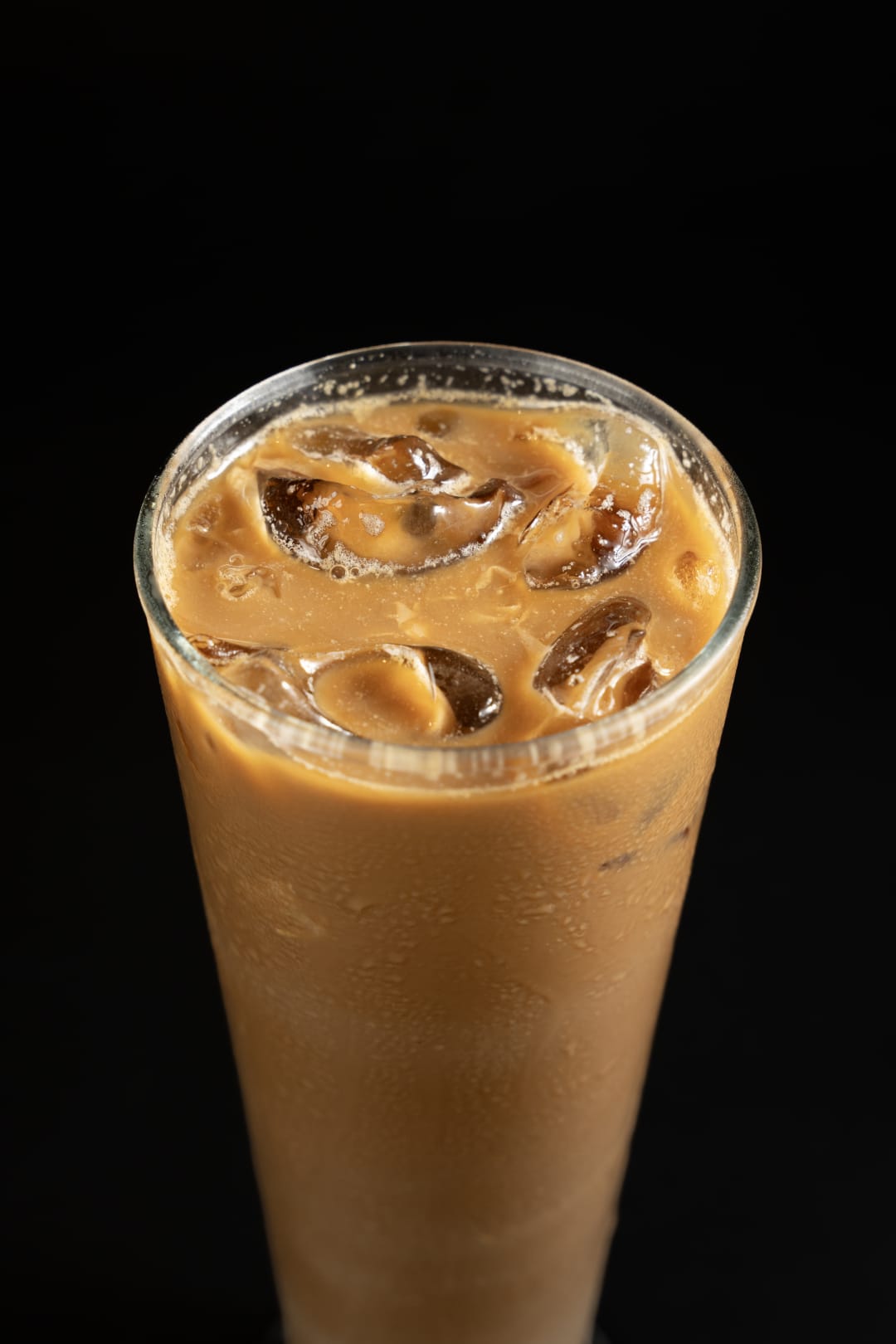
An iced latte is cool, creamy and pleasantly mellow. Vietnamese iced coffee, on the other hand, arrives with a much bigger personality. It is bold, sweet, deeply roasted and almost dessert-like, with just enough bitterness to keep every sip interesting. If you have been searching for Vietnamese iced coffee in Bangalore, this is one drink worth getting to know before your next café visit. Although both drinks combine coffee, milk and ice, the ingredients and brewing methods make them taste remarkably different. From the beans that give Vietnamese coffee its punch to the condensed milk that makes it wonderfully rich, there is plenty happening inside that glass. And once you understand what makes it special, your usual iced latte might have some friendly competition.
1. Robusta Beans Give Vietnamese Coffee Its Bold Personality
The first big difference starts before the coffee is even brewed. Many iced lattes use Arabica beans, which are known for their aromatic qualities and flavours that can range from fruity and floral to chocolatey and nutty. Traditional Vietnamese coffee commonly uses Robusta beans. These generally have a stronger, earthier and more bitter flavour, with a higher caffeine content by weight than Arabica. They also tend to develop deep roasted notes that stand out beautifully when combined with something sweet. Think of it this way: an iced latte often lets the coffee and milk share the spotlight, while Vietnamese iced coffee makes sure the coffee has something to say. Its intensity is exactly what allows the drink to remain flavourful even after the milk and ice enter the picture.
The Slow Brew Makes Every Sip Count
Your regular iced latte usually begins with espresso, made by pushing hot water through finely ground coffee under pressure. Vietnamese coffee traditionally takes a slower route with a small metal filter called a phin. The coffee grounds sit inside the filter while hot water gradually drips into the glass below. This produces a concentrated brew with a distinctive depth and roasted character. If you enjoy South Indian filter coffee, the slow-dripping process might feel familiar. However, Vietnamese coffee has its own identity, especially when the concentrated brew meets sweetened condensed milk. The result is not simply a stronger version of your everyday coffee. It is a different balance of bitterness, sweetness and body that makes each sip feel more substantial.
Sweetened Condensed Milk Is the Real Game Changer
Here is where Vietnamese iced coffee truly separates itself from an iced latte. A classic iced latte uses fresh milk, which softens the coffee and creates a smooth, creamy drink. Traditional Vietnamese iced coffee, often called cà phê sữa đá, uses sweetened condensed milk instead. Condensed milk is thick, creamy and already sweetened. It brings a rich texture and a flavour reminiscent of caramel and toffee, balancing the naturally bitter notes of the coffee without hiding them completely. There is also a practical history behind this pairing. Coffee became established in Vietnam during French colonial rule in the nineteenth century, and shelf-stable condensed milk became a useful alternative where fresh milk was less readily available. Today, that combination is one of the defining characteristics of Vietnamese coffee. The coffee supplies the intensity, the condensed milk brings the sweetness, and together they create a drink that is much more than the sum of its ingredients.
The Ice Changes the Drinking Experience
Ice might seem like a small detail, but it plays an important role in Vietnamese iced coffee. Because the coffee and condensed milk create such a concentrated, flavourful base, melting ice gradually softens the drink as you sip. The first mouthful can taste intensely roasted and sweet, while later sips become cooler and more mellow. That gradual change is part of the fun. Rather than tasting exactly the same from beginning to end, the drink evolves in your glass. An iced latte can be refreshing and easy-going, but Vietnamese iced coffee offers a more pronounced contrast between bitter coffee, creamy sweetness and cooling ice. It is a particularly satisfying choice when you want your coffee to taste like a treat without ordering a separate dessert.
What Should You Order: Vietnamese Iced Coffee or an Iced Latte?
The answer depends on the kind of coffee experience you are craving. Choose an iced latte if you prefer a milder, milkier drink where the coffee flavour is smooth and approachable. It is an easy choice for a relaxed afternoon or when you want something refreshing without too much intensity. Choose Vietnamese iced coffee if you enjoy robust coffee, a pronounced sweet-bitter contrast and a richer texture. Its concentrated flavour also makes it an interesting companion for savoury food, particularly Vietnamese dishes with fresh herbs, tangy pickles and crunchy textures. That is where a Banh Mi pairing becomes especially tempting. The crisp bread, savoury filling and bright pickled vegetables offer a lovely contrast to the coffee's creamy sweetness.
Where to Try Vietnamese Iced Coffee in Bangalore
If this has made you curious about Vietnamese coffee, you can explore it at Xin, a Pan-Asian dining destination that brings together food, drinks and ideas. Xin Fine Koramangala and Xin Den HSR serve Vietnamese iced coffee as part of their Brews selection. It is a natural choice if you are exploring Pan-Asian restaurants in Bangalore and want something beyond the usual café menu. Pair your coffee with a Banh Mi for a combination of rich, sweet coffee and crunchy, savoury goodness. You could also explore Xin's wider Pan-Asian menu, from dumplings and bao to flavour-packed Master Bowls. The idea is to find a combination that makes you want to slow down and enjoy the experience. And there is more to the Xin table than food and drinks. Every table has Genius Cards designed to get conversations and ideas moving. Guests can also access Think with Mira, a free AI thinking partner, to brainstorm, explore a question or work through an idea while enjoying their meal. It is a little reminder that a good café visit does not have to be just about what is on your plate. Sometimes, a delicious drink and an interesting conversation are a pretty wonderful combination.
Frequently Asked Questions
What is Vietnamese iced coffee made of?
Traditional Vietnamese iced coffee is made with strongly brewed coffee, commonly Robusta, sweetened condensed milk and ice. It is often brewed using a small metal phin filter.
Is Vietnamese iced coffee stronger than an iced latte?
It often tastes stronger because of its concentrated brew and the bold flavour of Robusta beans. Its caffeine content depends on the coffee used, the quantity and the brewing method, so the difference is not always the same.
Why is Vietnamese iced coffee so sweet?
Traditional cà phê sữa đá uses sweetened condensed milk, which provides both sweetness and a thick, creamy texture. The sweetness balances the coffee's natural bitterness.
Where can I find Vietnamese iced coffee in Bangalore?
Xin Fine Koramangala and Xin Den HSR serve Vietnamese iced coffee. You can pair it with Banh Mi or explore other dishes on Xin's Pan-Asian menu.
What food goes well with Vietnamese iced coffee?
Banh Mi is a natural pairing because its crunchy bread, savoury fillings and tangy pickles contrast with the coffee's rich sweetness. You can also enjoy it alongside other savoury Pan-Asian dishes.