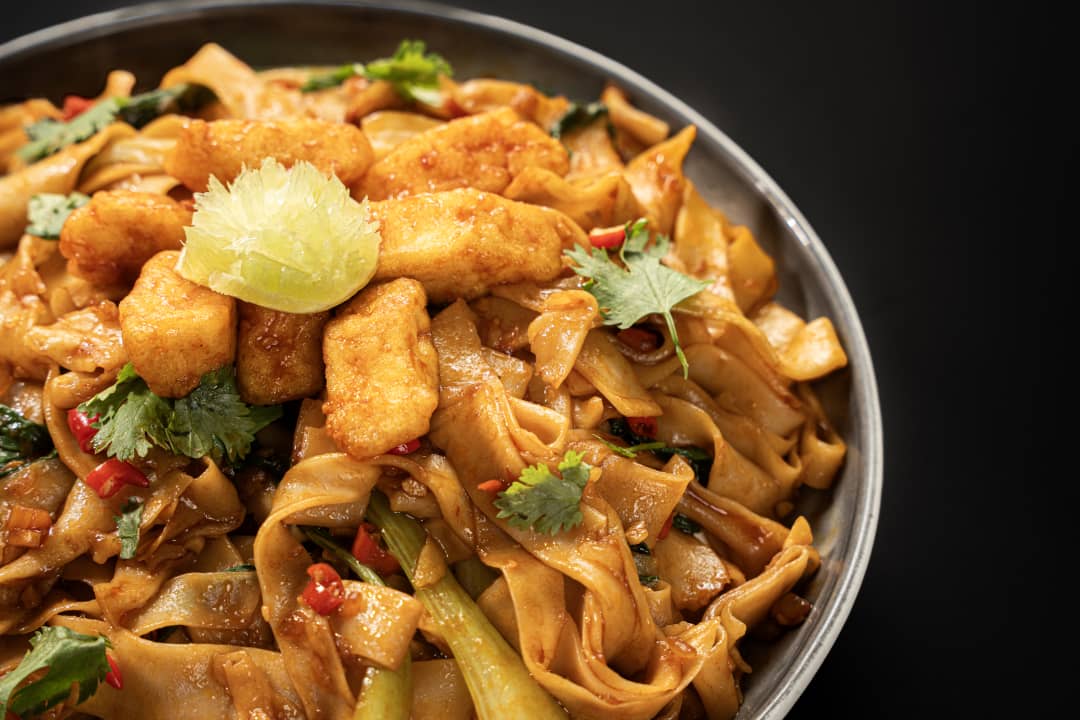
Biang Biang Noodles: Why China's Most Complicated Noodle Name Comes With a Delicious Story
The Chinese Noodle With a 58-Stroke Name
Imagine ordering noodles at a restaurant and discovering that the name of your dish is so complicated that writing it requires nearly 60 brushstrokes. Sounds like a challenge before lunch has even begun, doesn't it? Welcome to the wonderfully unusual world of Biang Biang noodles, one of China's most fascinating noodle dishes and a speciality with a story almost as interesting as its flavour. Originating in Shaanxi province in northwestern China, particularly around the historic city of Xi'an, Biang Biang noodles are famous for their extraordinary width, satisfying chewiness and famously complicated name. They are also a wonderful reminder that Chinese cuisine is much more than the familiar fried rice and noodles we often associate with it. There is an entire world of regional flavours, techniques and food traditions waiting to be discovered.
Why Is the Name Biang Biang So tricky?
Let's start with the part that makes everyone curious. The Chinese character used to write Biang is famously elaborate, with its commonly recognised form containing 58 strokes. It is considered one of the most complicated characters associated with Chinese writing, and it is so unusual that many standard fonts cannot even display it properly. But what does Biang actually mean? The most popular explanation comes from the sound made while preparing the noodles. As the cook stretches and repeatedly slaps the dough against a work surface, it makes a distinctive biang, biang sound. The name is believed to imitate this rhythmic noise. There are also entertaining folk stories about how the character came into existence, including one about a poor scholar who supposedly invented it after enjoying a bowl of noodles. While the story is delightful, its historical accuracy is uncertain. What we do know is that the unusual character has become inseparable from the identity of this much-loved Shaanxi speciality.
What Makes Biang Biang Noodles Different From Regular Chinese Noodles?
If you picture thin ramen strands or delicate egg noodles when someone mentions Chinese noodles, Biang Biang noodles are going to surprise you. These noodles are wide, flat, thick ribbons of wheat dough, often compared to belts because of their impressive shape. In fact, they are sometimes called belt noodles. Unlike the delicate strands found in many other noodle dishes, Biang Biang noodles have a substantial, chewy texture that makes every mouthful satisfying. Their preparation is equally fascinating. The dough is mixed, rested and worked until it becomes elastic enough to stretch. Skilled cooks then pull and slap the dough against the counter, gradually creating long, broad ribbons. The noodles are cooked in boiling water and served with ingredients that allow their generous surface area to soak up plenty of flavour. This is what makes Biang Biang noodles particularly special. Their texture is not simply a vehicle for the sauce; it is a major part of the experience.
What Do Biang Biang Noodles Taste Like?
A noodle this dramatic deserves a sauce that can keep up with it, and Biang Biang noodles certainly deliver. One of the best-known preparations uses a technique called youpo, which translates to oil-splashed. The freshly cooked noodles are topped with ingredients such as chilli flakes, chopped garlic, spring onions and sometimes spices like cumin. Smoking-hot oil is poured over the toppings, releasing their aromas and creating a wonderfully fragrant coating. Black vinegar and soy sauce often add a savoury, tangy balance, while additional ingredients such as vegetables, tomatoes or meat can bring their own character to the dish. The result is a delicious combination of chewy noodles, aromatic garlic, warming chilli and rich savoury flavours. It is bold without needing an unnecessarily complicated ingredient list. Every element has a purpose, and the noodles are substantial enough to carry all those flavours beautifully. Of course, preparations can vary across restaurants and households, which is part of what makes exploring regional Chinese food so interesting.
Why Shaanxi's Noodle Culture Deserves More Attention
China has an extraordinary noodle culture, and every region brings something different to the table. While southern Chinese cooking is often associated with rice, many northern regions have a strong wheat-based food tradition. Shaanxi is particularly known for its hearty wheat dishes, from hand-pulled noodles to flatbreads and dumplings. Its food reflects centuries of regional cooking traditions, local ingredients and everyday meals designed to be comforting and filling. Biang Biang noodles are often counted among Shaanxi's Eight Strange Wonders, a collection of regional curiosities that celebrate the province's distinctive food and cultural traditions. Their unusual size, preparation and name make them a natural favourite among curious food lovers. And that is the beauty of discovering dishes like these. Sometimes, the most interesting things on a menu are not the ones you have heard about a hundred times, but the ones that introduce you to an entirely new food culture.
Exploring Pan Asian Food in Bangalore Beyond the Familiar
Bangalore has developed a wonderful appetite for Pan Asian food, with diners increasingly looking beyond familiar favourites to explore different Asian cuisines, ingredients and cooking styles. From Japanese ramen and sushi to Korean fried chicken, Vietnamese Banh Mi and Thai curries, there is always something new to discover. At Xin by MindEscapes, food is an invitation to explore, connect and have conversations that go beyond the plate. With a Pan Asian menu spanning different flavours and food traditions, Xin brings together the joy of discovering something new and the comfort of enjoying a good meal with good company. Whether you are meeting friends, planning a relaxed meal or looking for interesting Pan Asian restaurants in Bangalore, the experience should always leave you with something to talk about. After all, food is not just about what you eat. It is also about the stories, cultures and little discoveries that come with it. And the next time someone mentions Biang Biang noodles, you will have quite a story to tell. You might even be able to explain why the name sounds like someone enthusiastically knocking on a kitchen counter!
Frequently Asked Questions
What are Biang Biang noodles?
Biang Biang noodles are traditional Chinese wheat noodles originating from Shaanxi province. They are known for their unusually wide, flat, belt-like shape, chewy texture and distinctive preparation technique.
Why are Biang Biang noodles called Biang Biang?
The name is believed to imitate the rhythmic sound made when the dough is stretched and slapped against a work surface during preparation. The Chinese character used to write Biang is also famous for its complexity.
Are Biang Biang noodles spicy?
They can be! A popular preparation uses chilli flakes, garlic, spring onions and hot oil to create a fragrant, spicy coating. However, the spice level depends on the recipe and preparation.
What are Biang Biang noodles made of?
Traditional Biang Biang noodles are made primarily from wheat flour, water and salt. The dough is kneaded, rested and stretched into wide ribbons before being cooked in boiling water.