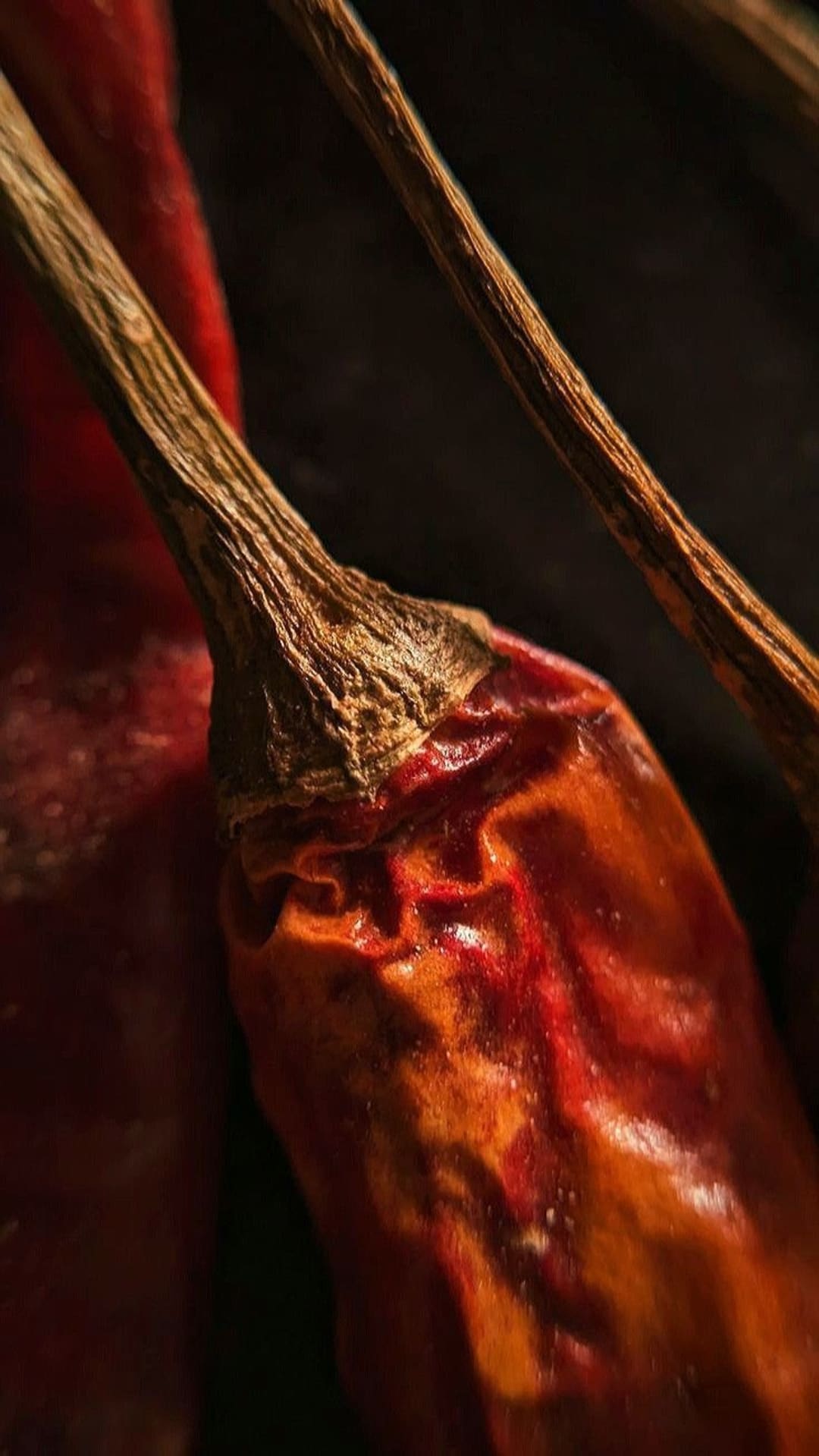
What If Spice Was Once More Frightening Than Delicious?
Today, asking whether you want extra chilli barely qualifies as a serious question. We sprinkle pepper over breakfast, add chilli to noodles, chase heat with kimchi, reach for Sichuan peppercorns and happily order a bowl described as “spicy.” But spice has had a much stranger journey. Long before it became something we casually ask for on the side, spices were rare, expensive, medicinal, mysterious and sometimes surrounded by stories of danger. Medieval European texts even described pepper growing in India among poisonous serpents, with fires supposedly needed to drive the snakes away before the pepper could be harvested. These stories were not accurate botanical reports, but they reveal just how exotic and mysterious spices seemed to people who had never seen where they came from. And then something remarkable happened. The mysterious ingredient that was once associated with distant lands, medicine and danger became one of the most important ways humans learned to make food exciting.
Spice Was Never Just About Making Food Hot
One of the most interesting things about spice history is that “spice” did not begin as a simple category of ingredients used to make dinner taste better. Pepper, ginger, cinnamon, cloves, nutmeg and other aromatics moved between the worlds of food, medicine, perfume and ritual. In the ancient and medieval worlds, the boundaries between what we now call food and medicine were much less rigid. Spices could be used in cooking, remedies, perfumes and preparations intended to counter poisons. That makes the modern Pan-Asian table even more interesting. When you taste pepper in a Vietnamese broth, ginger in a Chinese-inspired dish, chilli in a Korean preparation or Sichuan pepper in a Chengdu-style bowl, you are tasting the result of centuries of movement, experimentation and cultural exchange. Spice did not simply travel. It changed cuisines wherever it landed.
The Plot Twist: Chilli Isn't Even Originally Asian
Here is one of the best surprises in the entire story. The chilli pepper, now inseparable from so many Asian cuisines, originated in the Americas. It reached Asia through the Portuguese and Spanish maritime networks in the sixteenth century and was gradually adopted across different regions. In Southeast Asia, chilli eventually became an indispensable part of local cooking. Think about that the next time you eat a fiery Asian dish. One of the ingredients that feels most deeply rooted in Asian food traditions actually arrived from another part of the world. And Asia did what great food cultures do best: it made the ingredient its own. Chilli became part of countless regional flavour systems, joining ingredients that had much older histories in Asia. Suddenly, spice was not one thing. It could be sour and hot, fragrant and warm, numbing and fiery, earthy and aromatic, or gentle enough to make you reach for another bite without even noticing.
This Is Why Pan-Asian Food Is So Much Fun
This history is part of what makes Pan-Asian food in Bangalore so exciting today. “Spicy” is not really a flavour. It is an entire conversation. Thai cuisine can build heat around herbs, aromatics and acidity. Korean food can turn chilli into something fermented, savoury and deeply rounded. Sichuan cooking brings an entirely different sensation through chilli and Sichuan peppercorn. Vietnamese cooking can use spice more subtly, allowing herbs, broth and aromatics to share the stage. That is why two dishes can both be called spicy and taste completely different. At Xin, this is exactly the kind of curiosity that belongs around the table. The menu brings together flavours inspired by across Asia, from pho and laksa to ramen, bibimbap and bold wok bowls. The Master Bowls are designed around distinct flavour combinations rather than treating “Asian” as one giant cuisine. If you are looking for Pan Asian food in Bangalore, that difference matters. The fun is not simply finding something hot. It is discovering what kind of spice you actually like.
From Spice Routes to Your Table in Bangalore
The old spice trade connected India, Southeast Asia, the Middle East and Europe through enormous networks of merchants, ports and travellers. Southeast Asia itself was a major centre of the spice trade for centuries, particularly for cloves, nutmeg and other aromatics that were difficult to find elsewhere. Today, you do not need to cross an ocean to experience the result. You can sit down in Bangalore and order a bowl built around flavours that have travelled across continents and centuries. That is one reason Pan-Asian restaurants are so much more interesting than simply being places to eat. Every bowl is a little map of human curiosity. Someone tasted something unfamiliar, wondered what it could do, carried it somewhere else, cooked with it differently and passed the idea forward. Eventually, it reached your table.
At Xin, Curiosity Doesn't Stop With the Food
That same curiosity is part of what Xin is built around. Across Xin Koramangala, Xin HSR, Xin Ooty and Xin Coonoor, the experience is designed to give food and ideas a place at the same table. Diners can explore the menu, respond to questions through the Genius Cards and take an interesting thought further with Mira, Xin's free AI thinking partner for brainstorming and ideation. So a conversation that starts with “Why is Sichuan pepper so different?” does not necessarily have to end when the bowl does. It could become a question about travel, culture, food, business, design or simply an idea you have never explored before. After all, spice has already taught us something rather wonderful. The most interesting things are often the ones that travel, change and become something new along the way. And that is exactly how a mysterious ingredient once surrounded by stories of danger became one of the reasons Pan-Asian food is so much fun to eat today.