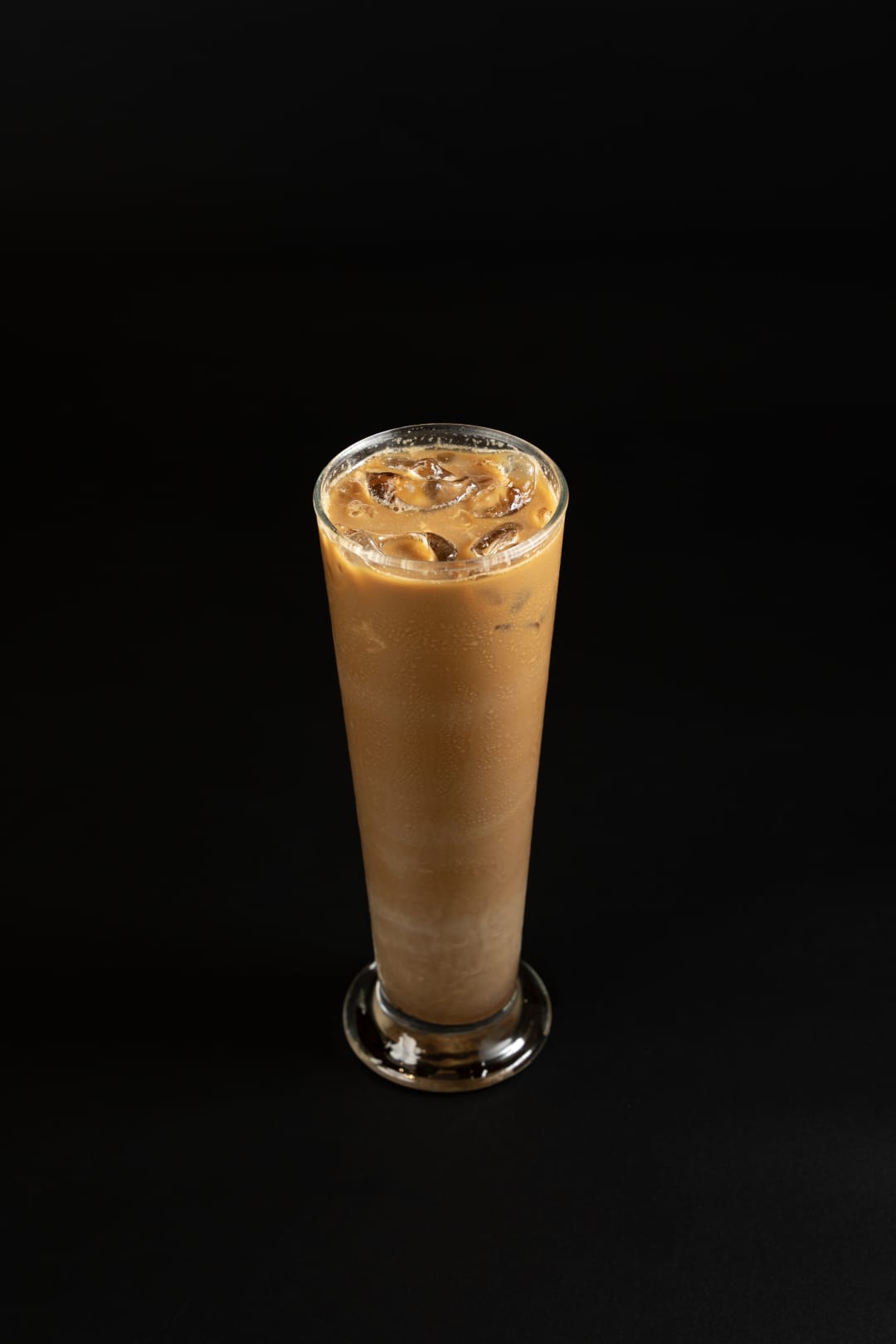
Cold Brew Tea vs Iced Tea: Why Your Glass Tastes So Different
You order a cold tea, take a sip and enjoy that lovely, refreshing feeling. But have you ever wondered whether you're drinking iced tea or cold brew tea? They arrive in similar glasses, look equally inviting and both are perfect when you want something refreshing. So, surely they're the same thing? Not quite! The difference between cold brew tea vs iced tea starts long before either drink reaches your table. One gets its flavour from hot water, while the other takes its sweet time in cold water. And that little difference can change the entire drinking experience. Let's get into it.
First Things First, What Exactly Is Iced Tea?
Iced tea is pretty much what its name promises. Tea is brewed using hot water, allowed to develop its flavour and then cooled before being served over ice. Sometimes, it's sweetened with sugar, flavoured with lemon or given a fruity twist. Think of your regular cup of tea, except it has traded its cosy mug for a tall glass and a generous handful of ice. Because hot water extracts flavour from tea leaves relatively quickly, iced tea can have a stronger, more pronounced tea character. Depending on the leaves and brewing time, it may taste bold, slightly bitter, earthy or pleasantly fragrant. It's also incredibly versatile. From classic lemon iced tea to peach and hibiscus variations, there's plenty of room to experiment.
So, What Makes Cold Brew Tea Different?
Cold brew tea skips the hot water altogether. Instead, tea leaves are steeped directly in cold or room-temperature water for several hours, usually in the refrigerator. The leaves slowly release their flavours into the water, creating a drink that is often smoother and gentler on the palate. Here's the interesting part. Cold water extracts certain compounds from tea differently and more slowly than hot water. This generally means less of the sharp bitterness and astringency that can sometimes appear in an over-steeped hot brew. The result? A naturally mellow drink with delicate flavours that have plenty of room to shine. And no, it isn't simply iced tea that someone forgot to heat!
Cold Brew Tea vs Iced Tea: The Actual Difference
Now that we know how they're made, let's put the two side by side. 1. The brewing method Iced tea starts with hot water. The tea is brewed first, cooled afterwards and served with ice. Cold brew tea begins with cold water, and the leaves steep slowly for several hours. Same basic ingredients, completely different approach. 2. The flavour Iced tea often has a more pronounced tea flavour, with stronger notes depending on the variety used. Cold brew tea tends to taste smoother, softer and sometimes naturally sweeter. Neither is automatically better. It simply depends on what your taste buds are looking for. 3. The bitterness Hot brewing extracts tannins and other compounds more readily, which can contribute to bitterness and a dry feeling in your mouth. Cold brewing generally produces a less astringent drink, making it a lovely option for people who prefer a gentler tea. 4. The waiting game Iced tea can be prepared relatively quickly because hot water does most of the extraction work. Cold brew tea needs patience. It can take several hours for the flavours to develop properly, but the wait is part of what makes it special.
Why Does Cold Water Change the Taste of Tea?
Here's a little tea science without turning this into a chemistry class. Tea leaves contain several flavour compounds, including tannins, aromatic compounds and natural substances that contribute to sweetness and bitterness. Temperature influences how quickly and which of these compounds are extracted. Hot water generally extracts a wider range of compounds more quickly, giving tea its familiar intensity. Cold water works more gradually, producing a different balance of flavours. That's why a cold brew made using the same tea leaves can taste noticeably different from a hot brew that's been chilled. It's also why the type of tea matters. Green tea can develop delicate, grassy notes, black tea can taste mellow and rounded, and floral teas can offer a beautifully fragrant result. The leaves haven't changed. The brewing method has simply given them a different way to show off.
Which One Should You Order With Pan-Asian Food?
Now comes the important question. Which tea belongs beside your favourite Pan-Asian meal? Both have their place, but the flavours on your plate can help you decide. If you're ordering something bold, spicy or packed with sauces, a refreshing iced tea can be a lovely contrast. Its pronounced flavour holds its own alongside dishes with stronger seasoning. Cold brew tea, on the other hand, is wonderful when you want something gentler between bites. Its smoother profile can complement lighter dishes, delicate flavours and meals where you want to enjoy every little detail. Pair it with sushi, dim sum, a flavourful rice bowl or your favourite Asian appetisers. Sometimes, the best drink is the one that refreshes your palate without competing with your food. And if you're still undecided, there's a very simple solution. Try both!
Find Your Next Favourite Sip at Xin
At Xin by MindEscapes, we believe a good meal deserves an equally interesting drink. Whether you're dropping by for a bowl of Pan-Asian comfort food, hand-folded dim sum or a catch-up over something refreshing, there's always room for a good drink on the table. From our organic teas to refreshing iced brews, our drinks are part of the experience, not just something to sip between mouthfuls. If you're exploring Pan-Asian restaurants in Bangalore, drop by Xin in Koramangala or HSR and make your next food outing a little more interesting. You might arrive looking for your favourite bowl and leave having discovered your new favourite drink. After all, tea is never just tea when there's a whole world of flavours waiting to be explored.